Q. What is industrial fencing?
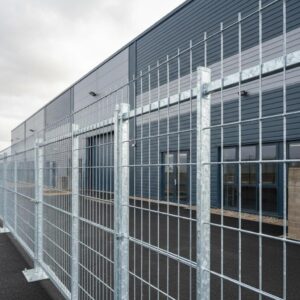
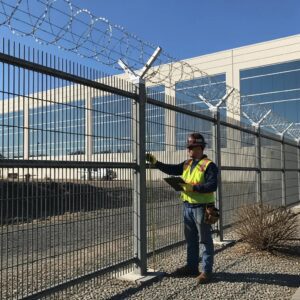
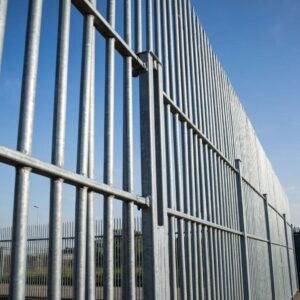
A. Industrial fencing refers to the various types of fencing solutions specifically designed for industrial properties. This includes warehouses, factories, distribution centers, and construction sites. These fences are built to provide security, define property boundaries, and protect assets from unauthorized access.
Q. What materials are commonly used for industrial fencing?
A. Common materials used for industrial fencing include chain link, welded wire, electric fencing, wood, vinyl, and metal. The choice of material often depends on the required level of security, aesthetic preferences, and regulatory requirements.
Q. How do I determine the right type of industrial fencing for my property?
A. When selecting the appropriate fencing, businesses should consider factors such as the level of security needed, the type of industry, the site layout, and the surrounding environment. Consulting with a fencing professional can help businesses make an informed decision.
Q. Are there any legal considerations for installing industrial fencing?
A. Yes, laws and regulations regarding fencing can vary by location. Businesses need to check local zoning codes, property line regulations, and any required permits before installation to ensure compliance with all legal requirements.
Q. How tall should my industrial fence be?
A. The height of an industrial fence largely depends on the security needs of the property. Generally, fences range from 6 to 12 feet tall. Higher fences may be required for high-security areas to deter intruders effectively.
Q. What kind of maintenance does industrial fencing require?
A. Maintenance requirements vary based on the type of material used. Chain-link and metal fences may require periodic inspections for rust and corrosion, while wooden fences may need regular staining or sealing to prevent weather damage.
Q. Can industrial fences be customized?
A. Absolutely! Many manufacturers offer customizable options for industrial fencing. Businesses can choose colors, heights, material types, and additional features like barbed wire or access gates to meet their specific needs.
Q. How much does industrial fencing installation typically cost?
A. The cost of installing industrial fencing can vary depending on factors such as material choice, site conditions, and fence length. Businesses should obtain multiple quotes from fencing contractors to get a better understanding of the potential costs involved.
Q. What additional features can be added to enhance security?
A. Businesses can enhance security through various features such as motion detectors, security cameras, access control systems, and anti-climb measures. Integrating these security elements with the fencing can significantly deter unauthorized access and protect property.
In conclusion, industrial fencing is a critical element for securing industrial properties. By understanding the various types, materials, and considerations involved, businesses can make informed decisions that contribute to their overall security strategy.