
Best Practices for Industrial Fencing Projects: Expert Installation and Security Solutions
Industrial fencing is a cornerstone of site security for commercial properties. This guide breaks down practical best practices—material choices, installation steps, and local compliance—so you can pick solutions that protect assets and keep operations running. With tighter security demands across industries, knowing the right fence type, installation method, and maintenance routine helps you get the most value and reliability from your perimeter.
Key considerations when planning an industrial fence
Successful industrial fencing starts with a clear plan. Review material performance, evaluate the site, and confirm regulatory requirements up front. Each of these decisions affects durability, security and overall project cost—so addressing them early prevents surprises during installation and service life.
Choosing heavy‑duty fence materials for industrial sites
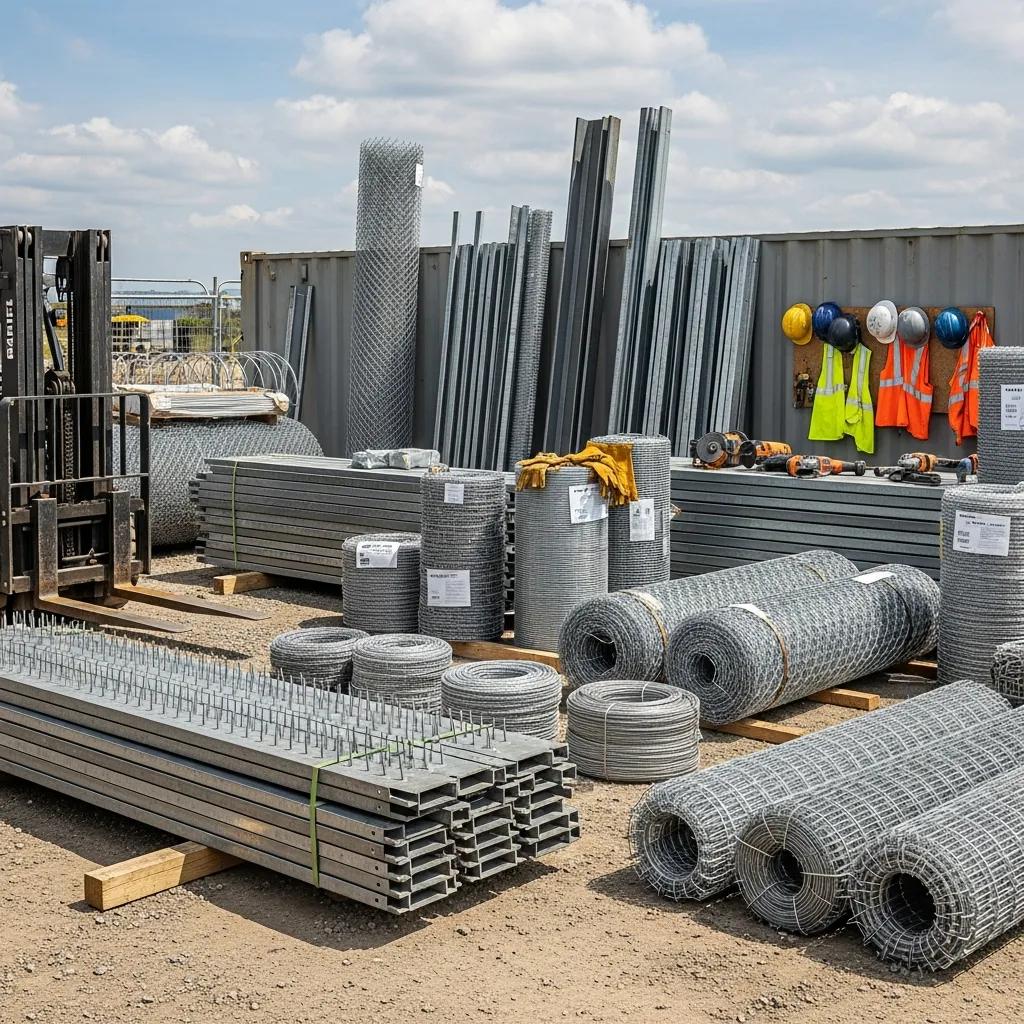
Pick materials that match the risk level and environment. Steel panels deliver long-term strength and tamper resistance; chain link is economical and keeps sightlines clear. Consider finishes—galvanizing or powder coating—to resist corrosion, and factor in routine upkeep so the fence remains secure and functional for years.
Professional installation steps that ensure longevity and security
Proper installation makes the difference. Start with thorough site prep: remove debris, confirm grades and mark utilities. Set posts on concrete footings, align panels precisely and use hardware rated for your fence system. Final inspections and tensioning checks are essential to verify safety and performance before turning the site back to operations.
Which fence types and materials work best for commercial security in Mississauga?
No single fence fits every site. Match material and design to the property’s specific threats, visibility needs and budget. Below are common options and where they make sense.
Benefits of chain link and steel fencing for industrial properties
Chain link is cost-effective, durable and easy to repair—ideal for large perimeters where visibility matters. Steel fencing offers superior rigidity and deterrence for higher-risk zones. Both systems accept security upgrades like privacy slats or barbed top options where additional protection is required.
Welded mesh and anti‑climb features for stronger perimeter protection
Welded mesh creates a hard-to-breach, low-profile barrier that still allows surveillance. Anti‑climb measures—angled tops, pointed profiles or added concertina wire—raise the effort and time required to scale a fence, which reduces unauthorized access on high-risk sites.
How Ontario regulations affect industrial fencing projects
Local rules shape what you can build. Following Ontario and Mississauga bylaws ensures your fence meets safety, zoning and permit requirements—avoiding delays, fines or rework during construction.
Permits and approvals for commercial fencing in Mississauga
Most commercial fences require zoning checks and a building permit. Permit needs vary by height, location and whether gates or automated systems are involved. Check with the city early and include permitting time in your project schedule to keep timelines realistic.
Navigating local bylaws and building codes
Review height limits, setback rules and material restrictions for your site. If your project borders different zones or public right‑of‑way, additional approvals may apply. Working with contractors who understand local codes can speed approvals and prevent costly adjustments.
Perimeter security solutions that complement fencing
A fence is the backbone of perimeter security, but layered solutions make it resilient. Combine physical barriers with access control, lighting and detection systems for reliable protection.
Integrating access control with industrial fencing
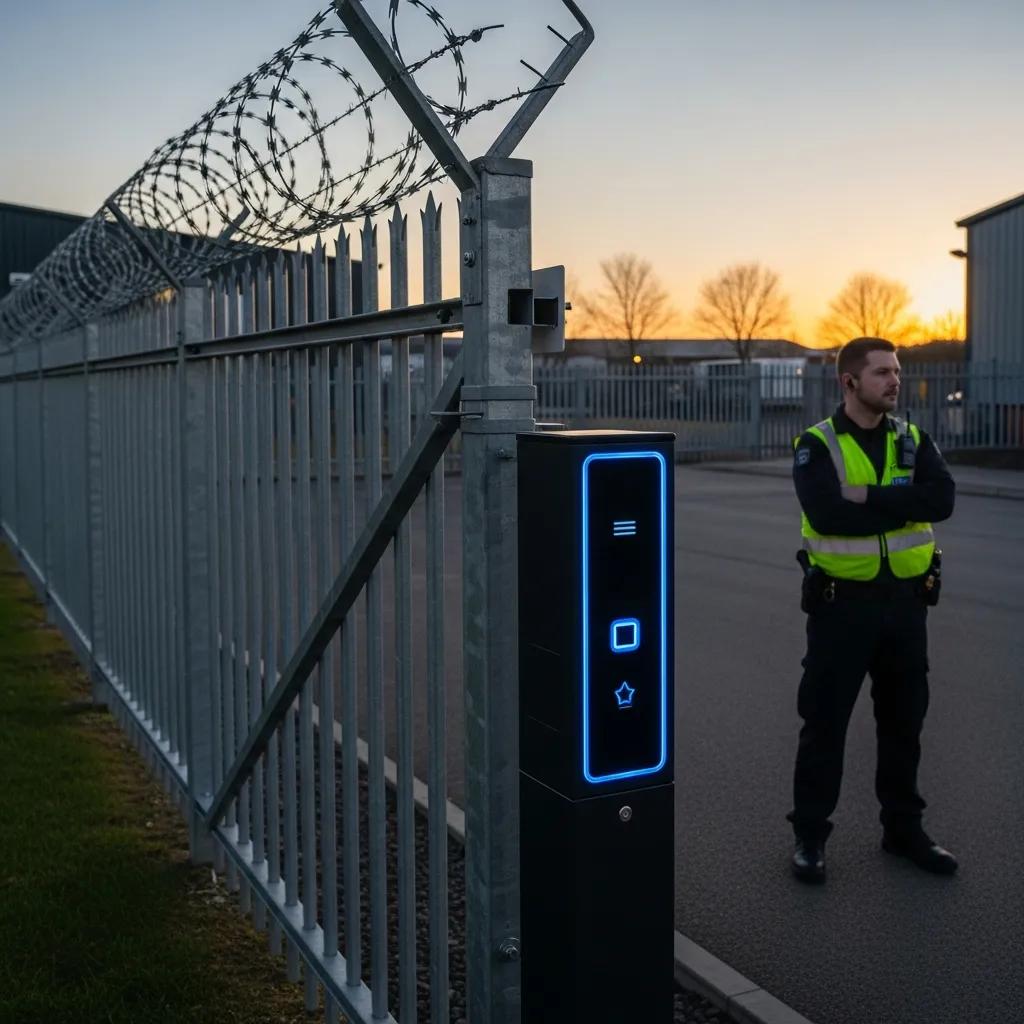
Keycards, PIN pads and biometric readers pair with gates and turnstiles to limit entry to authorized personnel. Design access points to match traffic flow and emergency egress needs, and ensure control systems are weather-rated and backed up against power loss.
Anti‑ram bollards and automated gates for vehicle control
Anti‑ram bollards protect against hostile vehicle entry; automated gates control traffic while reducing staffing needs. Proper spacing, rated components and integration with access control create secure, practical vehicle entry systems for industrial sites.
Maintenance practices that extend fence life and reliability
Routine maintenance preserves security and keeps long‑term costs down. A scheduled program catches issues early and prevents minor damage from becoming expensive repairs.
Best practices for fence repair and upkeep
Inspect fences at least twice a year and after storms. Look for rust, loose fasteners, damaged posts and sagging sections. Clean debris from the base, touch up protective coatings and repair small problems promptly to avoid system‑wide deterioration.
How regular maintenance improves security and saves money
Keeping a fence in good repair reduces weak points attackers can exploit and delays the need for full replacement. Budgeting for periodic inspections and minor repairs is far less costly than emergency remediation or early replacement.
Why Fencer 3000 is the right choice for industrial fencing in Mississauga
For industrial sites in Mississauga, you need a partner who knows local rules and installs systems built to last. Fencer 3000 combines practical experience with responsive service to keep your perimeter secure and compliant.
Local expertise and tailored solutions from Fencer 3000
We design and install high‑durability, low‑maintenance commercial and industrial fencing solutions for clients. Our team understands Mississauga’s permitting and site challenges, and we customize systems to meet each site’s security and operational needs. Contact our team for a site review and a solution that fits your priorities.
Case studies that show Fencer 3000’s proven results
Recent projects across the Greater Toronto Area demonstrate our ability to handle complex sites—from security upgrades to large perimeter installations. These examples reflect practical problem solving, on‑time delivery and durable results tailored to client requirements.
Conclusion
Following best practices—right materials, professional installation, regulatory compliance and routine maintenance—keeps industrial fences secure and dependable. If you need a site assessment or custom perimeter solution in Mississauga, Fencer 3000 can help you design, install and maintain a system that fits your operations and budget.
Frequently Asked Questions
Q. What common mistakes should I avoid during industrial fencing installation?
Frequent mistakes include skipping proper site prep, overlooking local rules, and choosing underspecified materials. Poor preparation can lead to unstable posts; noncompliance causes delays or fines; low‑grade materials shorten service life. Plan thoroughly, confirm permits, and work with experienced installers to avoid these issues.
Q. How do I assess the security needs of my industrial property?
Walk the site to identify high‑risk access points, valuable assets and visibility gaps. Consider past incidents and expected traffic. A professional site assessment will recommend fence type, height, and complementary systems—cameras, lighting or access control—to meet your specific risk profile.
Q. What are the advantages of automated gates for industrial fencing?
Automated gates improve security and efficiency by controlling vehicle and pedestrian entry without constant staffing. They reduce wait times for authorized users and integrate with access control for audit trails. Choose weather‑rated operators and redundancy for reliable operation.
Q. How often should I inspect my industrial fence?
Inspect your fence at least twice a year and after severe weather or known impacts. More frequent checks may be needed for high‑risk sites. Keep a maintenance log so repairs and trends are tracked over time.
Q. What additional security features can improve an industrial fence?
Consider barbed wire, anti‑climb measures, cameras, motion sensors and upgraded lighting. Each adds a deterrent or detection layer—combine features based on your threat assessment and operational needs for an effective perimeter system.
Q. How can I ensure compliance with local fencing regulations?
Start by reviewing Mississauga zoning and building rules for fence height, setbacks and materials. Consult the city’s planning department or hire a contractor experienced with local permits to streamline approvals and avoid rework.