
Advanced High-Security Fencing for Commercial Properties: Comprehensive Solutions
By Ryan Todd, Fencer 3000 Inc
The safety of commercial properties hinges on effective perimeter security systems, with advanced high-security commercial fencing emerging as a pivotal solution. These fencing systems not only deter unauthorized access but also enhance the overall security framework of commercial spaces. In this article, we will explore the different types of high-security fencing, how technology integrates to optimize security, best practices for implementation, and the key features and benefits that advanced fencing solutions offer. By understanding these elements, businesses can make informed decisions about their security infrastructure.
Types of Fencing
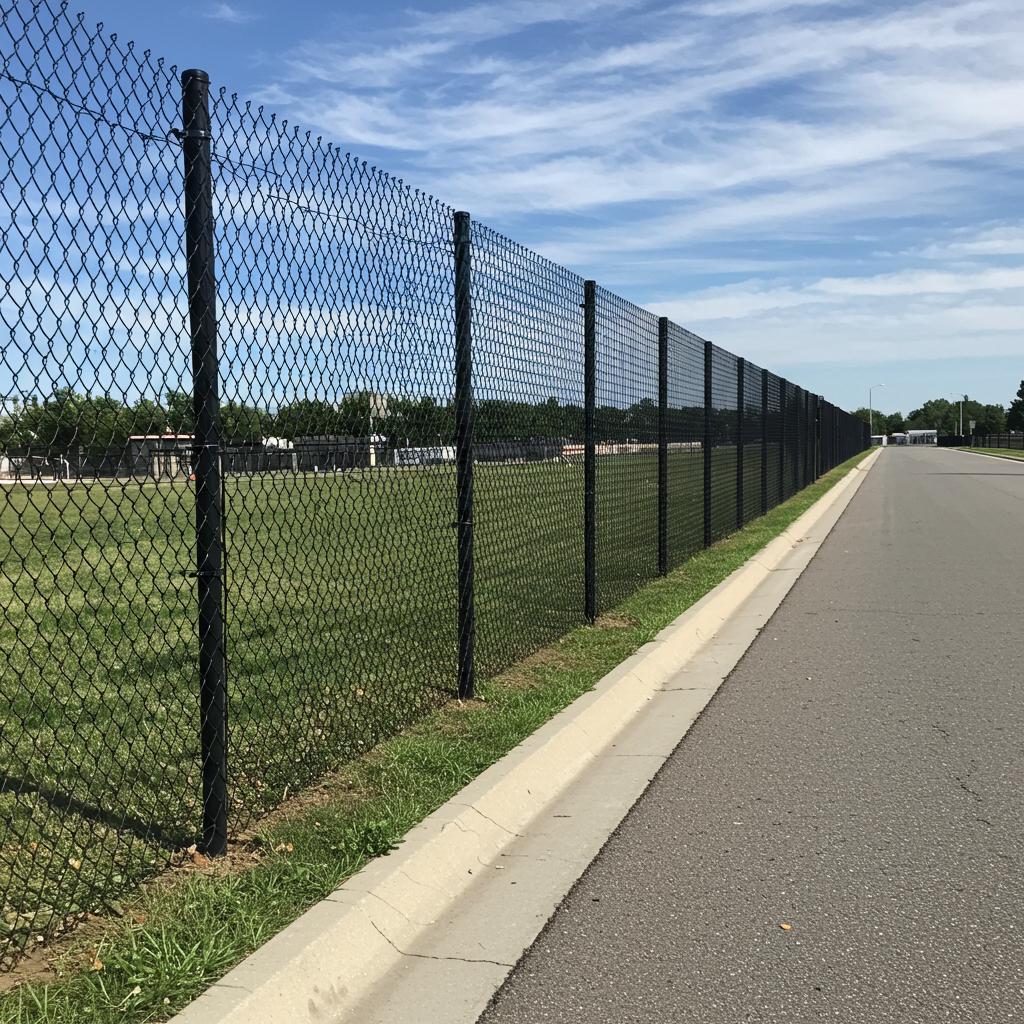
High-security fencing encompasses various styles, each tailored to meet specific security needs of commercial properties. This section examines the primary types of fencing available and their respective advantages.
| Type of Fencing | Benefits |
|---|---|
| Chain Link Fencing | Cost-effective, good visibility |
| Welded Wire Mesh | High resistance to cutting |
| Steel Palisade Fencing | Durable, offers strong deterrent |
| Anti-Climb Fences | Difficult to scale and penetrate |
| Temporary Fencing | Ideal for construction sites |
Fencer 3000 specializes in advanced high-security fencing solutions targeting commercial properties. We provide a comprehensive range of commercial fencing products emphasizing anti-climb fences, perimeter security, and integrated access control.
Technological advancements and robust installation methods further enhance these fencing types. Choosing the right fencing depends on site assessments and specific security requirements.
Integration of Technology
Modern high-security fencing is often enhanced through technological solutions. Typically, security infrastructure integrates access control systems, video surveillance, and alarm systems to create a multi-layered defense strategy. The incorporation of these technologies not only heightens security but also streamlines access management.
Access control mechanisms, such as key card systems and biometric readers, can greatly improve security management. Surveillance systems augment visual monitoring of the premises, ensuring that any intrusions can be addressed promptly. Additionally, data collected through these systems can be invaluable for risk assessments and improving overall security protocols.
Best Practices for Implementation
When implementing high-security fencing, businesses should adhere to best practices to ensure effectiveness and compliance with local regulations. A site assessment facilitates understanding key vulnerabilities and site-specific needs.
- Conduct Thorough Site Assessments: Identify areas needing more security
- Select Appropriate Materials: Ensure the quality and durability of fencing
- Follow Regulatory Compliance: Familiarize with local building codes and standards
Implementing high-security fencing should involve a comprehensive plan that aligns with the broader security strategy of the commercial property.
What Are the Key Features and Benefits of Commercial Security Fencing?
Commercial fencing serves multiple purposes, providing physical barriers while deterring unauthorized access.
- Material Durability: High-quality materials prolong fencing lifespan and reduce maintenance needs
- Crime Deterrence: Visible barriers and alarm integration significantly lower crime rates
- Compliance and Liability Reduction: Properly installed security fencing helps meet insurance requirements, mitigating risks
These benefits underscore the necessity of investing in a high-security fencing system tailored to the business’s unique needs.
How Does Anti Climb Fencing Improve Commercial Property Protection?
Anti-climb fences provide a formidable solution against unauthorized access. Their unique design incorporates features such as pointed tops and closely spaced vertical bars, making scaling nearly impossible. The use of such commercial fencing significantly improves a property’s overall security profile by:
- Providing Physical Deterrents: Makes physical intrusion difficult
- Offering Psychological Impacts: Visible deterrents discourage potential intruders
- Allowing for Effective Surveillance: Clear topsides provide unobstructed views for security cameras
High-security fencing systems employing anti-climb technologies can be key to any effective perimeter defense.
What Materials and Specifications Define High Security Fences?
The specifications and materials employed in high-security fences are pivotal to their efficacy:
- Durable Materials: Typically made from steel or other heavy-duty metals that resist damage and wear
- Height Standards: Generally, fences are at least 8 feet tall, ensuring they remain impassable
- Design Specifications: Must meet specific guidelines for intrusion prevention and accessibility compliance
Choosing the right materials ensures that high-security fencing meets necessary durability and effectiveness benchmarks.
How Do Access Control Fencing Systems Integrate with Commercial Perimeter Security?
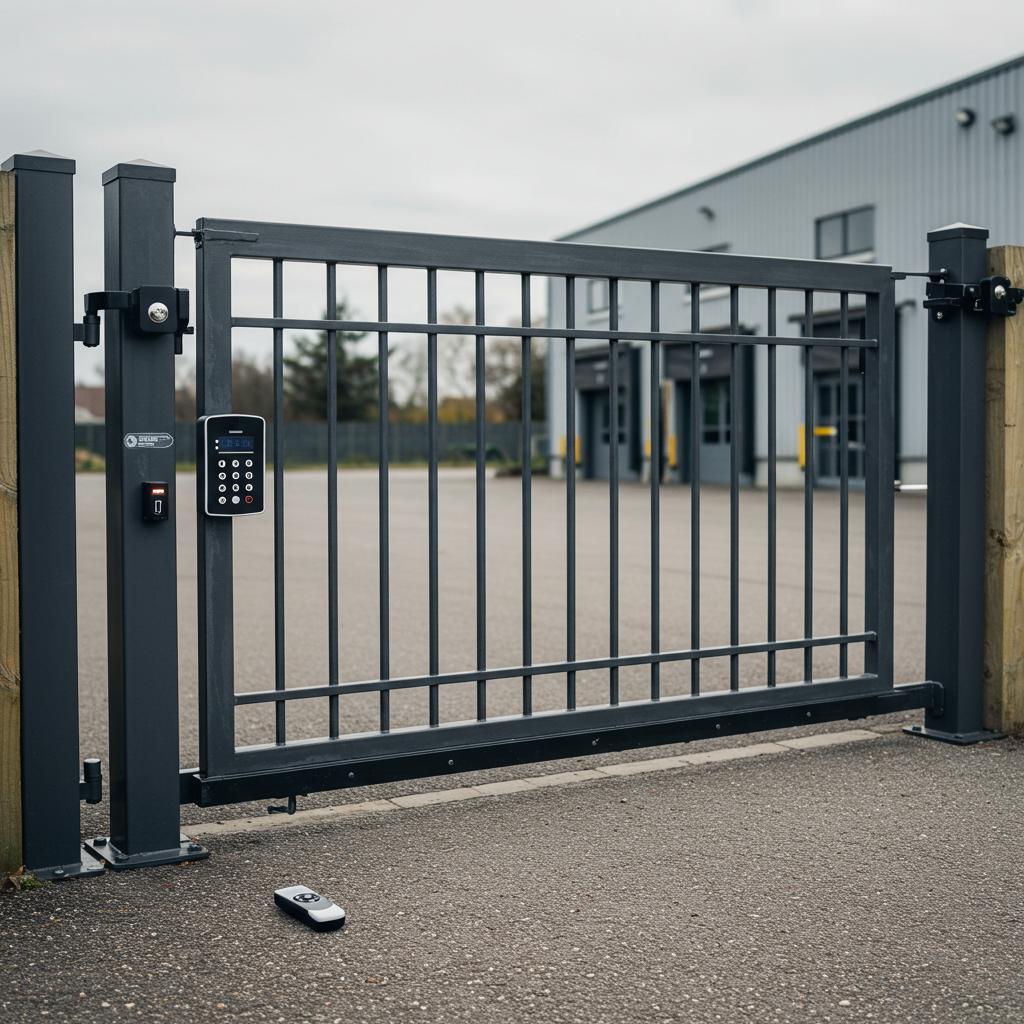
Access control systems integrated with high-security fencing enhance perimeter security significantly. Types of systems include:
- Key Card Systems: Simple for authorized users while preventing unauthorized entry
- Biometric Readers: High-security option that verifies identity through fingerprint or retina scans
- Surveillance Integration: Cameras that monitor access points and assist in real-time response
Effective integration of these access control technologies improves operational efficiency and strengthens security management.
What Are the Best Practices for Installing High-Security Fences on Commercial Properties?
Proper installation of high-security fences hinges on adhering to established guidelines:
- Pre-installation Assessments: Evaluate the property for vulnerabilities
- Selecting the Right Techniques: Ensure strong anchoring and materials suitable for geographic conditions
- Maintenance Tips: Regularly inspect and maintain to prolong effectiveness and security standards
Following best practices ensures that the fencing system not only deters intrusions but also remains effective over time.
How Is Compliance with Regulatory and Industry Standards Ensured?
Compliance with local regulations is key when installing high-security fencing. This process usually involves:
- Reviewing Local Regulations: Understanding specific codes governing height, material, and appearance
- Obtaining Necessary Permits: Required licenses must be secured before installation begins
- Hiring Professional Installers: Trained professionals ensure adherence to safety and legislative standards during installation
Ensuring compliance reduces liability and increases the overall effectiveness of the security system.
How Should Property Owners and Business Operators Maintain and Monitor Their Security Fencing?
Monitoring and maintaining security fencing is crucial for sustained security:
- Routine Inspections: Regular checks for damage or wear are essential
- Monitoring Technology Options: Use technology to streamline monitoring processes
- Proactive Upkeep Strategies: Plan for regular maintenance to prevent deterioration
Active management of security fencing ensures that it serves its purpose effectively over time.
What Are Routine Maintenance Procedures for High-Security Fences?
Routine maintenance procedures for high-security fences include:
- Frequency of Inspections: Regular inspections should be conducted quarterly
- Cleaning Procedures: Ensure the fence is free of dirt and debris that may cause corrosion
- Repair Protocols: Immediate repair of any damage is crucial to maintaining security integrity
These procedures should be structured to assure that the fencing system remains fully operational at all times.
How Can Emerging Technologies Empower Ongoing Perimeter Security Monitoring?
Emerging technologies are changing the landscape for perimeter security monitoring, allowing for:
- Integration of IoT: Connect fencing systems to a centralized security network for real-time monitoring
- Real-time Monitoring Benefits: Instant notifications of trespassing or unauthorized access help mitigate risks promptly
- Automation of Access Control: Enhanced efficiency of access management through automation prevents human error
These advancements empower businesses to stay ahead of security threats and enhance their property protection measures.