
Advanced Access Control for Gates & Fencing: Secure and Automate Your Property Access
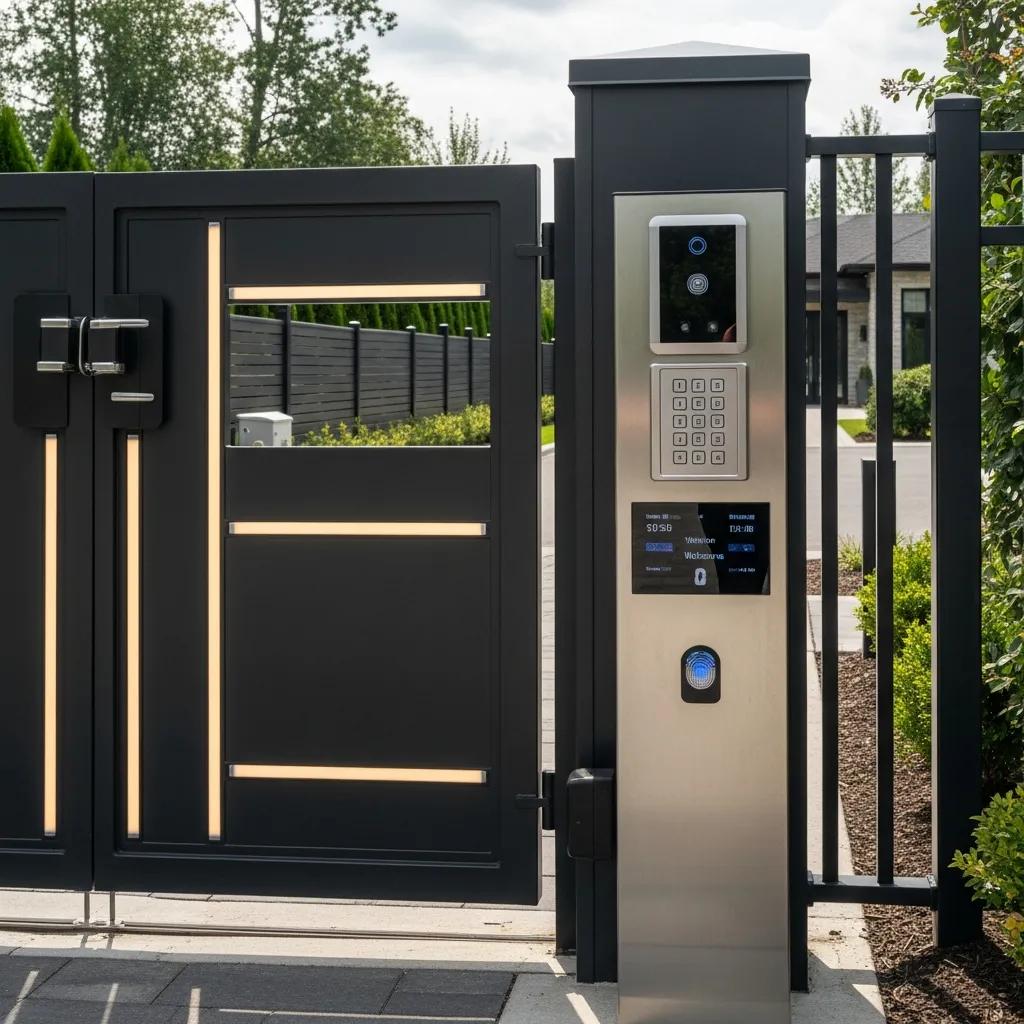
As security needs grow, modern access control for gates and fencing has become essential for homes and businesses alike. These systems do more than beef up protection — they make daily access simpler, track movement, and give property owners real peace of mind. Below we unpack how advanced gate and fence access systems work, the technologies shaping the market, and how Fencer 3000 based in Mississauga, Ontario, fits into that picture with practical, customizable solutions.
What Are Advanced Access Control Systems for Gates and Fencing?
Advanced access control systems are purpose-built solutions that manage who enters a property through gates and fenced perimeters. Using a mix of hardware and software, these systems let only authorized people in, reducing risks like theft, vandalism, and trespassing. Their biggest payoff is predictable, auditable access — fewer surprises, better protection.
How Do Electronic Gate Entry Systems Work?
Electronic gate entry systems combine physical devices and software to handle access requests. Typical components include keypads, biometric readers, and remote controls. When someone requests entry, the system verifies credentials and then opens the gate if those credentials match. Beyond immediate control, these systems keep logs of entries and exits, which are useful for audits and incident review.
What Types of Access Control Technologies Are Available?
Several access-control technologies are in common use; each has strengths depending on site needs:
- Biometric Access Control: Uses fingerprints or facial recognition to identify people quickly and securely
- RFID Gate Systems: Radio-frequency ID tags provide fast, contactless vehicle and pedestrian access
- Keypad Entry Systems: PIN-entry setups that are cost-effective and straightforward to install and manage
These options can be mixed and matched to suit different properties and security requirements.
How Can Commercial Gate Access Control Enhance Business Security in Canada?
For businesses, a reliable gate access system is a key part of asset protection and staff safety. Commercial gate access control helps prevent unauthorized entry, lowers theft and vandalism risk, and supports a safer workplace for employees and customers.
What Features Define Effective Commercial Gate Access Systems?
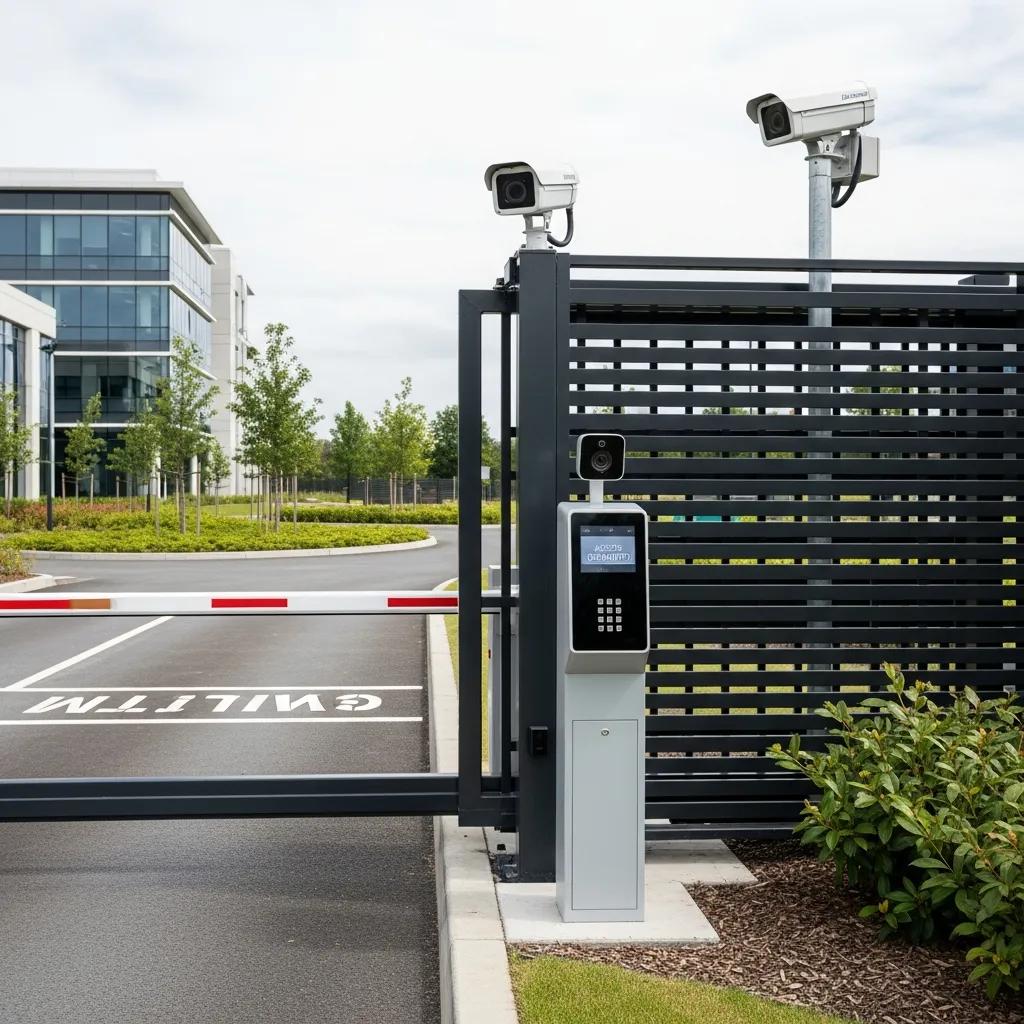
Strong commercial gate systems typically include:
- Remote Access: Control gates from a distance — ideal for managers and security teams
- Monitoring Capabilities: Live alerts and video integration to spot suspicious activity in real time
- Integration with Existing Security Systems: Works alongside alarms and CCTV to create a complete security ecosystem
Together these features simplify operations and raise the overall security standard for a site.
How Does Integration with Fencing Improve Perimeter Security?
Pairing access control with a well-built fence strengthens perimeter protection. A coordinated fence and gate system creates a clear, managed boundary that deters intrusion and funnels access through monitored points. Integration also makes it easier to respond to and investigate incidents, since gates, cameras, and alarms can share data.
What Solutions Exist for Industrial Security Gates and Perimeter Protection?
Industrial sites need robust, scalable access control because they often host valuable equipment and controlled materials. Systems designed for industrial use prioritize vehicle management, heavy-duty hardware, and strict logging.
How Do Automated Barrier Gates and Vehicle Access Control Work in Industrial Settings?
Automated barrier gates control vehicle flow using sensors, RFID vehicle tags, and remote verification. These systems ensure only authorized vehicles enter restricted zones while keeping traffic moving safely and efficiently across loading areas and yards.
What Are the Benefits of High-Security Industrial Gate Control?
High-security industrial gate systems deliver clear advantages:
- Enhanced Protection: Stronger defenses against unauthorized access and theft
- Cost-Effectiveness: Reduces reliance on round-the-clock security staff
- Improved Access Management: Precise tracking of vehicle movements and access history
For industrial operators, these benefits translate into better operational control and lower long-term risk.
What Are the Latest Smart Gate Technologies Transforming Access Control?
Access control continues to evolve. Smart gate technologies focus on convenience without compromising security — from biometrics to cloud-managed systems and mobile control.
How Do Biometric Access Systems Enhance Gate Security?
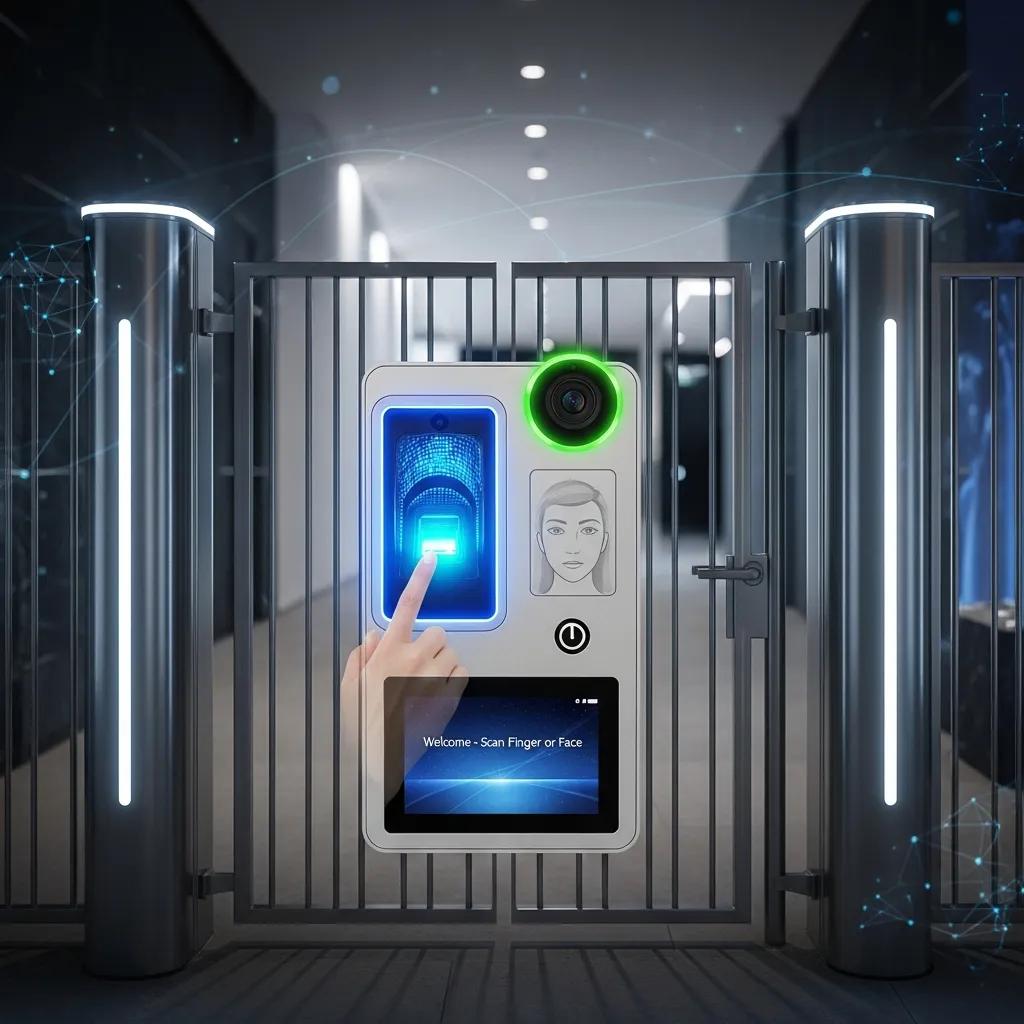
Biometric systems use unique physical traits, such as fingerprints or facial features, to reliably identify people. They reduce reliance on cards or codes and are harder to spoof. These systems are increasingly practical as sensors and processing improve.
Beyond biometrics, some researchers and vendors are experimenting with blockchain and other emerging tools to strengthen access logs and tamper resistance.
What Role Do Mobile Apps and Remote Access Play in Modern Gate Automation?
Mobile apps let property owners and managers control gates from anywhere. You can grant temporary access to visitors, receive alerts about suspicious attempts, and view live camera feeds — all from a smartphone. That flexibility is especially helpful for property managers and homeowners who need on-the-go control.
Why Choose Fencer 3000 for Advanced Access Control and Gate Automation in Mississauga?
Fencer 3000 supplies advanced gate automation and access-control systems in Mississauga with an emphasis on reliable equipment and practical installations. We design solutions that fit your site — whether it’s a home, business, or industrial property — and focus on long-term performance and support.
What Customizable and Integrated Solutions Does Fencer 3000 Offer?
We offer adaptable access-control packages for residential, commercial, and industrial sites. Systems can be integrated with existing fencing and security infrastructure so you get a seamless, single strategy for perimeter protection. That flexibility helps clients choose features that meet real operational needs, not just checkboxes.
How Does Fencer 3000 Support Installation, Maintenance, and Compliance?
Fencer 3000 provides comprehensive support from site assessment through installation and ongoing maintenance. Our technicians ensure systems meet local regulations and keep firmware and hardware serviceable over time, so your investment stays reliable.
What Are Common Questions About Advanced Access Control for Gates and Fencing?
Property owners often ask about upfront costs, ongoing maintenance, and real-world effectiveness. Below are practical answers to common concerns.
What Maintenance and Support Are Required for Gate Access Systems?
Routine maintenance keeps systems working reliably: periodic mechanical inspections, battery and sensor checks, and software/firmware updates. A support plan that offers fast service response reduces downtime and helps address issues before they become costly.
| Access Control Technology | Key Features | Benefits |
|---|---|---|
| Biometric Systems | Fingerprint / Facial Recognition | Strong security, no cards or codes required |
| RFID Systems | Contactless Access | Fast entry, convenient for vehicles and staff |
| Keypad Systems | Code Entry | Budget-friendly and easy to deploy |
The table above summarizes common access technologies and what they deliver — useful when choosing the right balance of convenience, cost, and security.
In short, advanced access control for gates and fencing is a practical way to tighten security and simplify access management for homes and businesses. With several proven technologies available, property owners can select a solution that fits their site and budget. Fencer 3000 Inc helps clients design, install, and maintain systems that protect assets and make daily operations smoother. Learn how our solutions can secure your property today.
Conclusion
Advanced access control for gates and fencing offers clear security and operational benefits for residential and commercial properties. By choosing the right technologies and a trusted installer, you gain more control, better protection, and simpler day-to-day access. Fencer 3000 delivers tailored solutions and ongoing support to keep your perimeter secure — get in touch to see how we can help protect your property.
Frequently Asked Questions
Q. What factors should I consider when choosing an access control system?
A. Consider the property type (residential, commercial, industrial), the level of security you need, and specific features like remote access or biometrics. Check compatibility with existing security gear, how easy it is for authorized users, and room for future upgrades. Budget and ongoing maintenance expectations are also important.
Q. Can access control systems be integrated with home automation systems?
A. Yes. Many access-control systems connect with home automation platforms to centralize control of lighting, alarms, and cameras. Integration enables remote monitoring and automated responses — for example, locking gates when you arm your home system.
Q. What are the common challenges in implementing access control systems?
A. Common challenges include ensuring compatibility with current infrastructure, setting correct user access levels, and handling technical issues during installation. Training users and budgeting for ongoing maintenance help avoid most problems.
Q. How do I ensure the security of my access control system?
A. Keep software and firmware up to date, use strong, unique passwords, and enable multi-factor authentication where possible. Regularly audit access logs and pair access control with physical security measures like cameras and alarms for a layered approach.
Q. What is the role of user training in access control systems?
A. User training ensures authorized people know how to use the system, manage permissions, and react to alerts. Regular refreshers help maintain good practices and prevent mistakes that could weaken security.
Q. Are there any legal considerations for installing access control systems in Canada?
A. Yes. Installations that collect personal information must comply with privacy rules such as PIPEDA. Local bylaws may also affect surveillance and access-control setups. Consult legal or municipal guidance to make sure your access control system follows applicable laws.